

Dirt biking is an exhilarating and adventurous activity that offers a unique blend of speed, agility, and the thrill of off - road riding. As a seasoned dirt bike supplier, I've witnessed the excitement of customers purchasing their first dirt bikes, as well as their eagerness to customize and adjust them to suit their riding needs. One of the most crucial adjustments you can make right after buying a dirt bike is to set up the handlebars properly. The right handlebar position can significantly enhance your riding comfort, control, and overall performance. In this blog, I'll share some professional insights on how to adjust the handlebars on a dirt bike.
Understanding the Importance of Proper Handlebars Position
Before diving into the adjustment process, it's essential to understand why the handlebar position is so important. The handlebars are your primary point of contact with the dirt bike, and they play a vital role in steering, braking, and throttle control. A proper handlebar setup ensures that your arms are in a relaxed and natural position, reducing fatigue during long rides. It also allows you to have better leverage and control over the bike, especially when navigating through rough terrains or making sharp turns.
An improper handlebar position, on the other hand, can lead to discomfort, pain, and even reduced control. If the handlebars are too high, you may find yourself hunching over, putting unnecessary strain on your back and shoulders. Conversely, if they are too low, you'll have to stretch your arms, which can cause fatigue and affect your ability to react quickly.
Tools You'll Need
- Wrench Set: A set of wrenches is essential for loosening and tightening the bolts that hold the handlebars in place. Make sure you have the appropriate sizes for your dirt bike's handlebars and clamps.
- Torque Wrench: A torque wrench is used to ensure that the bolts are tightened to the correct specifications. Over - tightening the bolts can damage the handlebars or the clamps, while under - tightening can cause the handlebars to shift during riding, which is extremely dangerous.
- Allen Keys: Depending on your dirt bike model, you may need Allen keys to remove or adjust certain components.
Step 1: Assess Your Riding Style and Body Ergonomics
The first step in adjusting the handlebars is to consider your riding style and body ergonomics. Are you a casual rider who enjoys cruising on trails, or are you a more aggressive rider who participates in motocross races? Your riding style will influence the ideal handlebar position.
For more aggressive riding, such as motocross, you may prefer the handlebars to be slightly lower and forward. This position allows for better control during high - speed maneuvers and jumps. On the other hand, if you're a more laid - back rider, you may want the handlebars to be higher and more upright for increased comfort during long rides.
In addition to your riding style, you should also consider your body size and proportions. Taller riders may need the handlebars to be higher and further away, while shorter riders may prefer a lower and closer position. Sit on your dirt bike and place your hands on the handlebars in a natural riding position. Notice how your arms feel - they should be slightly bent at the elbows, and you should be able to reach the controls comfortably.
Step 2: Loosen the Handlebar Clamps
With the right tools in hand, it's time to start the adjustment process. Locate the handlebar clamps on your dirt bike. These are usually located on the top triple tree or the fork clamps. Use the appropriate wrench to loosen the bolts on the handlebar clamps. Be careful not to loosen them completely, as you want to keep the handlebars in a relatively stable position while you make adjustments.
Step 3: Adjust the Height and Angle
Once the handlebar clamps are loosened, you can start adjusting the height and angle of the handlebars. To adjust the height, simply lift or lower the handlebars to your desired position. Make sure that the handlebars are level and parallel to the ground.
To adjust the angle, you can rotate the handlebars forward or backward. A forward - tilted handlebar can provide more leverage for aggressive riding, while a backward - tilted handlebar can enhance comfort for cruising. As you make these adjustments, keep checking your riding position to ensure that your arms and shoulders are still in a comfortable and natural state.
Step 4: Check the Controls
After making the height and angle adjustments, it's important to check that all the controls are still within easy reach. This includes the brake levers, clutch lever, and throttle. You should be able to operate these controls smoothly without having to stretch or strain your hands. If the controls are not within reach, you may need to make further adjustments to the handlebars or consider using aftermarket controls that can be adjusted independently.
Step 5: Tighten the Handlebar Clamps
Once you're satisfied with the handlebar position and the controls are accessible, it's time to tighten the handlebar clamps. Use the torque wrench to tighten the bolts to the manufacturer's recommended torque specifications. This ensures that the handlebars are securely fastened and won't shift during riding.

Step 6: Test Ride and Fine - Tune
After tightening the handlebar clamps, take your dirt bike for a test ride. Pay close attention to how the handlebar position feels during different riding maneuvers, such as turning, braking, and accelerating. If you notice any discomfort or if you feel that you don't have enough control, you may need to fine - tune the handlebar position. Repeat the adjustment process until you find the perfect setup for your riding needs.
Our Dirt Bike Offerings
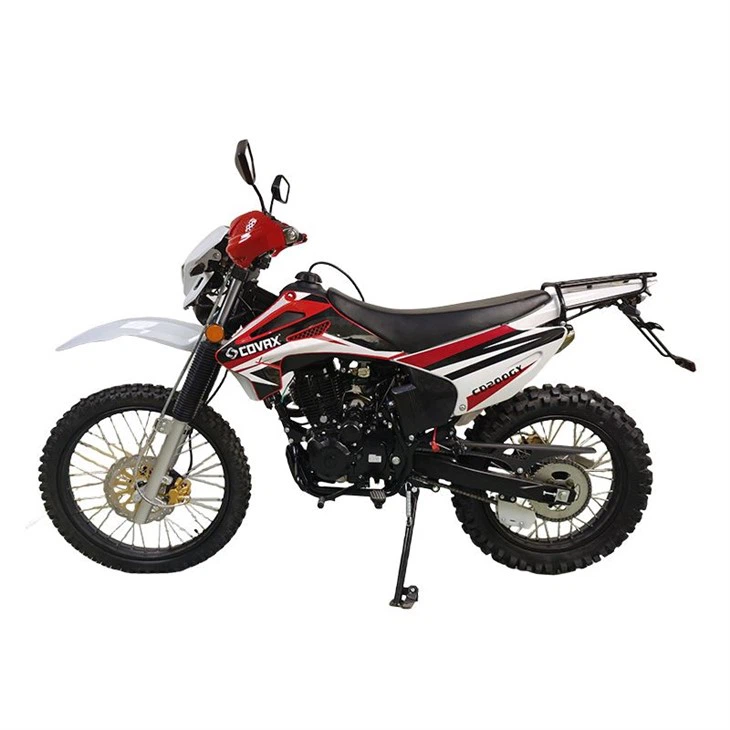
As a dirt bike supplier, we offer a wide range of high - quality dirt bikes designed for different riding styles and skill levels. For example, the 200cc Single - cylinder Air - cooled,4 - stroke Shift Type:international Five Speed Motorcycle is a great option for beginners and intermediate riders. It offers a balanced combination of power and control, making it suitable for both trail riding and light motocross.
If you're looking for a more advanced dirt bike, the R - ld4 Enduro Off Road Motorcycle is a top - choice. It's built with high - performance components and is designed to handle the toughest off - road conditions.
For those who enjoy long - distance off - road touring, the R - ld8 Off Road Touring Motorcycle is an excellent option. It offers a comfortable riding position and ample storage space, making it ideal for multi - day adventures.
Conclusion
Adjusting the handlebars on your dirt bike after buying is a crucial step that can significantly enhance your riding experience. By following the steps outlined in this blog, you'll be able to find the perfect handlebar position for your riding style and body ergonomics. Remember, proper handlebar setup not only improves comfort but also increases your control and safety on the trails.
If you're interested in purchasing a dirt bike or have any questions about handlebar adjustments or our product offerings, we'd love to hear from you. Contact us for more information and to discuss your specific needs. Our team of experts is ready to assist you in finding the perfect dirt bike and ensuring that it's set up for optimal performance.
References
- Motorcycle Maintenance Manuals
- Off - Road Riding Magazines
- Professional Dirt Bike Riders' Blogs and Interviews