

Is it legal to ride a dirt bike on public roads after buying?
As a supplier of dirt bikes, I often get asked the question: Is it legal to ride a dirt bike on public roads after buying? This is a crucial question for both enthusiasts and potential buyers, as it directly impacts the usability and enjoyment of these powerful machines. In this blog, I'll delve into the legal aspects of riding dirt bikes on public roads, while also highlighting some of the great dirt bikes we offer.
Understanding Dirt Bikes
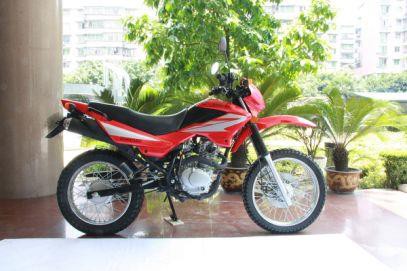
Before we discuss the legality, let's understand what dirt bikes are. Dirt bikes are designed primarily for off - road use. They are lightweight, have high - ground clearance, and are built to handle rough terrains such as mud, sand, and rocky paths. Our company offers a variety of dirt bikes, including the ENGINE 200CC OFF ROAD MOTORCYCLE, 150CC CG Single - cylinder Air - cooled 4 - stroke Motorcycle, and 125CC Single - cylinder Air - cooled 4 - stroke Motorcycle. These bikes are engineered for maximum performance in off - road conditions, with features like powerful engines, robust suspension systems, and knobby tires.
The Legal Landscape
The legality of riding a dirt bike on public roads varies greatly from one jurisdiction to another. In many places, standard dirt bikes are not street - legal out of the box. This is because they lack the necessary safety features required for public road use.
Safety Requirements
Most countries and states have strict safety requirements for vehicles operating on public roads. These typically include:
- Lights: A dirt bike must have a functioning headlight, taillight, and brake light. The headlight should be bright enough to illuminate the road ahead at night, and the taillight and brake light are essential for signaling to other road users.
- Mirrors: At least one rear - view mirror is usually required to help the rider see what's behind them.
- Turn Signals: Turn signals are crucial for indicating the rider's intention to turn or change lanes, enhancing safety for both the rider and other road users.
- Horn: A working horn is necessary to alert other drivers and pedestrians in case of an emergency.
- License Plate Mount: The bike must have a proper place to mount a license plate so that it can be easily identified by law enforcement.
Registration and Licensing
In addition to safety features, dirt bikes need to be registered with the local motor vehicle department to be legally ridden on public roads. This process usually involves providing proof of ownership, paying a registration fee, and obtaining a license plate. Riders also need to have the appropriate motorcycle license. The requirements for a motorcycle license vary, but generally, it involves passing a written test and a practical riding test.
Making Your Dirt Bike Street - Legal
If you're determined to ride your dirt bike on public roads, it's possible to make it street - legal. However, this process can be complex and expensive.
Modifications
You'll need to make several modifications to your dirt bike to meet the safety requirements. This may involve installing lights, mirrors, turn signals, and a horn. Some parts may need to be purchased separately and installed by a professional mechanic to ensure they are installed correctly and function properly.
Inspection
After making the necessary modifications, your dirt bike will likely need to pass a safety inspection. A certified inspector will check that all the required safety features are in place and working correctly. Only after passing the inspection can you register your bike for street use.

Exceptions and Special Circumstances
There are some exceptions to the general rule. In some areas, there are special laws that allow dirt bikes to be ridden on public roads under certain conditions. For example, some rural areas may have less strict regulations, or there may be specific events or trails that allow dirt bikes to cross public roads for a short distance.
The Importance of Compliance
It's important to note that riding an unregistered or non - street - legal dirt bike on public roads can have serious consequences. You may face fines, the impoundment of your bike, and even legal charges. Moreover, riding an unsafe vehicle on public roads puts you and other road users at risk.
Our Dirt Bikes for Off - Road Adventures
While the process of making a dirt bike street - legal can be challenging, our dirt bikes are perfect for off - road adventures. The ENGINE 200CC OFF ROAD MOTORCYCLE offers a powerful 200cc engine, providing plenty of torque and speed for tackling tough terrains. The 150CC CG Single - cylinder Air - cooled 4 - stroke Motorcycle is a great choice for beginners or those looking for a more economical option, with its fuel - efficient engine and reliable performance. And the 125CC Single - cylinder Air - cooled 4 - stroke Motorcycle is lightweight and easy to handle, making it ideal for younger riders or those new to dirt biking.
Conclusion
In conclusion, the legality of riding a dirt bike on public roads after buying depends on your location and whether you're willing to make the necessary modifications. While it can be a complex process, with the right knowledge and resources, it's possible to make your dirt bike street - legal. However, if you're mainly interested in off - road riding, our range of dirt bikes offers excellent performance and reliability for your adventures.
If you're interested in purchasing a dirt bike or have any questions about our products, we encourage you to contact us for a detailed discussion. Our team of experts is ready to assist you in finding the perfect dirt bike for your needs.
References
- State and local motor vehicle department regulations.
- Motorcycle safety manuals and guides.